
🏠 Government-Supported Public Housing Assistance: For Low-income people and Seniors
Government-Supported Public Housing | Low-income people and Seniors | Rental Assistance
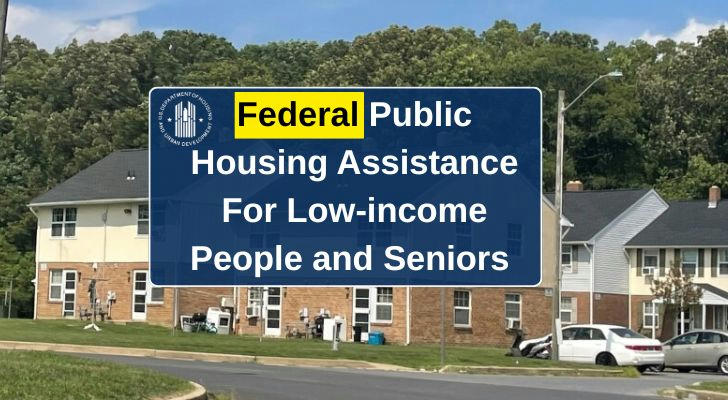
High rental costs and a shortage of available housing make finding affordable living difficult for many people across the United States. Government-supported public housing programs help low-income people, older adults, and individuals with disabilities access decent, safe housing they can afford. These programs are administered by the U.S. Department of Housing and Urban Development (HUD) through local housing agencies around the country.
Why Choose Government-Supported Public Housing?
Public housing options can offer significant advantages for qualifying individuals and people:
- Lower Rent Payments: Rent is based on income, often set at about 30 % of a tenant’s adjusted gross income.
- Safe & Decent Homes: Units meet basic safety and quality standards managed by local housing authorities.
- Stable Long-Term Tenancy: Once placed, many residents can remain as long as they comply with lease terms.
- Support for Vulnerable Populations: Priority access may be given to older adults, people with children, and people with disabilities.
📊 Public Housing Programs by State
Public housing assistance in the United States is administered at the state and local level. While all programs follow federal guidelines, the types of housing support available may vary by state depending on local needs, funding levels, and housing demand.
| State | Available Public Housing Programs |
|---|---|
| California | Public Housing, Housing Choice Voucher (Section 8), Senior Housing |
| New York | Public Housing, Section 8, Supportive Housing for Seniors & Disabled Persons |
| Texas | Public Housing, Section 8, Rural Housing Assistance |
| Florida | Public Housing, Section 8, Elderly Housing Programs |
| Illinois | Public Housing, Section 8, Family & Disability Housing |
| Washington | Public Housing, Section 8, Transitional Housing Programs |
Availability, eligibility criteria, and waiting periods vary by state and by local Public Housing Agency.
Advantages of Government-Supported Public Housing
Government-supported public housing programs provide residents with a range of benefits designed to improve housing stability and quality of life:
- Affordable Rent: Rent is calculated based on income, making it easier for low-income people and individuals to manage monthly expenses.
- Safe and Well-Maintained Homes: Housing units meet federal safety and maintenance standards, ensuring residents live in secure and healthy environments.
- Stability for Residents: Long-term tenancy is possible as long as lease agreements are followed, reducing the stress of frequent relocations.
- Priority Support for Vulnerable Populations: Programs often give priority to seniors, people with disabilities, and people with children.
- Access to Additional Resources: Residents may be connected to job training, educational opportunities, healthcare services, and community support programs.
- Community Environment: Many public housing developments foster a sense of community through shared spaces and neighborhood programs.
👨👩👧 Who Can Benefit from This Program
Public housing is targeted toward a range of individuals; a simplified view by age group might look like this:
| Age Group | Typical Beneficiaries |
|---|---|
| Children (<18) | Low-income people with children |
| Adults (18–64) | Low-income workers, single adults, disabled adults |
| Seniors (65+) | Older adults with limited fixed incomes |
Eligibility depends on income, family size, and qualifying status as determined by a local public housing authority.
📝 How to Apply for Government-Supported Public Housing
- Find your local Public Housing Agency (PHA): Each PHA administers housing programs in its area.
- Check Eligibility Requirements: Income, household composition, and citizenship status are usually required.
- Prepare Documentation: Typically includes income verification, ID, household details, and proof of U.S. status.
- Submit an Application: Follow the procedures of the local housing agency.
- Wait for Notification: Names are often placed on a waiting list until a suitable unit is available.
The above process is a general guide and may vary depending on the actual situation.
🌟 Real Success Story
Andy, a 60-year-old resident, faced financial hardship after losing his job. Struggling with high rent and limited income, Andy applied to a government-supported public housing program. Once accepted, his monthly rent was adjusted to a much lower, income-based rate. With reduced housing costs, Andy’s financial stress eased, giving him stability as he focused on his health and job search.
⚠️ Things to Consider
- Waiting Lists Can Be Long: Due to high demand, waits of months or even years are common in many areas.
- Documentation Must Be Accurate & Complete: Missing information can delay applications.
- Eligibility Rules Vary by PHA: Different agencies may have unique requirements or preferences.
- Housing Availability Fluctuates: Local market conditions impact how quickly units become available.
❓ Frequently Asked Questions
1. Can the entire application be completed online?
Procedures vary by housing agency; some may offer online options, while others require in-person or mailed submissions.
2. What documents are typically required?
Expect to provide proof of income, identification, household member details, and immigration or citizenship documentation.
3. Are there time limits on public housing availability?
There is no universal time limit; applicants are placed on waiting lists and invited to move into housing when space becomes available.
Conclusion
Government-supported public housing assistance in the United States helps make decent, affordable rental housing a reality for many low-income people, seniors, and individuals with disabilities. With income-adjusted rent and long-term tenancy options, these programs offer a pathway toward more stable living conditions and reduced housing stress for millions of residents nationwide.